New York State Faces Critical Gaps in Mosquito Monitoring Amidst Expanding Threats

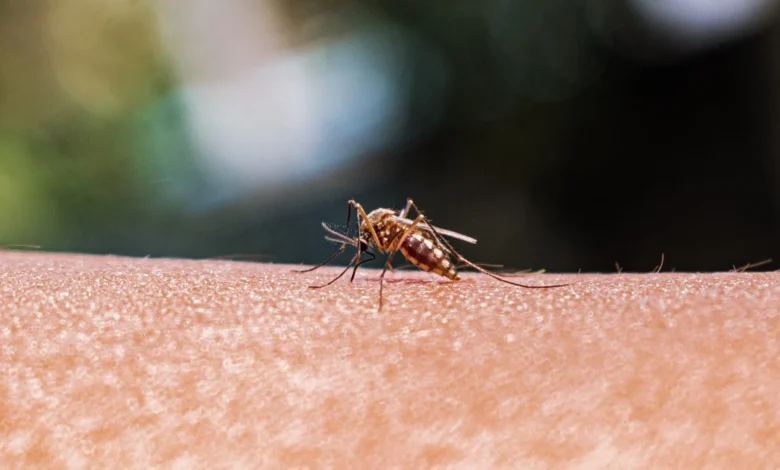
The fight against mosquito-borne diseases in New York is hampered by a fragmented and underfunded surveillance system, leaving invasive species undetected and communities vulnerable to potential outbreaks. Experts warn that the current "hit or miss" approach, characterized by county-level programs operating in isolation, fails to provide the comprehensive oversight needed to proactively manage public health risks. A proposed bill in the New York State Legislature aims to address these deficiencies by establishing a statewide, integrated mosquito surveillance program, a move long advocated by public health officials and researchers.
The Laborious and Costly Reality of Mosquito Surveillance
The current methods for monitoring mosquito populations are inherently labor-intensive and expensive, posing significant challenges for resource-strapped local governments. Field teams must meticulously set and service mosquito traps, a task that demands considerable time and personnel. These traps employ various attractants, each with its own logistical hurdles. Some are designed to lure female mosquitoes by mimicking the scent of stagnant water teeming with decaying organic matter, a rich breeding ground. Others rely on dry ice to release carbon dioxide, a crucial olfactory cue that mosquitoes use to locate mammalian hosts for blood meals. However, the acquisition of dry ice, particularly in rural areas of New York, can be a significant obstacle, often forcing teams to resort to the time-consuming and potentially hazardous process of manufacturing it themselves.
Beyond the physical demands of trap deployment and sample collection, specialized expertise is required to identify, sort, and test the collected specimens. Entomologists and public health laboratory technicians play a vital role in this process, distinguishing between native and invasive species, assessing their abundance, and testing for the presence of disease-carrying pathogens. This reliance on specialized personnel further elevates the operational costs of effective mosquito surveillance.
A Patchwork System Prone to Blind Spots
The decentralized nature of mosquito surveillance in New York presents a critical weakness. According to Dr. Stephen Leydet, whose lab has investigated these surveillance gaps, the current system is characterized by a "sparse and disintegrated" network of county-run programs. "One of the problems with states that are not comprehensively doing these surveillance programs is that surveillance is hit or miss," Leydet stated. "A lot of these surveillance programs are run by the counties, and they’re not really talking to each other."
This lack of inter-county communication and data sharing creates significant blind spots. Invasive mosquito species, which can outcompete native populations and potentially introduce novel diseases, may be establishing a foothold without detection. Leydet’s research indicates that this fragmented approach means "some invasive mosquito species are flying under the radar," posing an insidious threat to public health. Without a unified strategy and coordinated data collection, it becomes exceedingly difficult to track the spread of these species and implement timely interventions.
Funding: The Ever-Present Obstacle to Proactive Public Health
Funding emerges as a recurring and formidable challenge to enhancing mosquito surveillance efforts. The sustainability of these crucial programs is directly tied to the financial health of local governments. "If the county doesn’t have money or resources, these programs fade away," Leydet explained. This cyclical dependency on fluctuating budgets means that vital surveillance infrastructure can be dismantled or scaled back, leaving communities vulnerable.
The implications of underfunded surveillance are profound. It shifts the public health response from a proactive, preventative model to a reactive one. "If we don’t have these surveillance programs, then all we’re doing is responding to a problem when it’s already a problem, and that’s never how prevention works," Leydet emphasized. This reactive approach is invariably more costly, both in terms of financial resources and, more importantly, human health outcomes.
The Proposed Solution: A Unified Approach to Mosquito Management
Recognizing the deficiencies in the current system, a bill introduced in the New York State Legislature this session, Senate Bill S10393, aims to establish a comprehensive, statewide mosquito surveillance program. This legislative effort seeks to transition New York from its current "sparse and disintegrated" system to a more robust and integrated network. The goal is to equip public health officials with the timely and accurate data necessary to anticipate and respond to mosquito-borne disease threats before they escalate into widespread outbreaks.
The proposed legislation would likely involve several key components. Central to its success would be the establishment of standardized protocols for mosquito trapping, sampling, identification, and disease testing across all participating counties. This would ensure data comparability and allow for a holistic understanding of mosquito populations and their distribution statewide. Furthermore, the bill would likely advocate for dedicated and sustained funding streams to support these operations, mitigating the risks associated with county-level budget fluctuations. Investment in modern surveillance technologies, such as automated trap monitoring and advanced data analytics, could also be a component, increasing efficiency and the speed of information dissemination.
Proactive Measures: The Pillars of Prevention
The benefits of a robust mosquito surveillance program extend beyond simply identifying threats; they enable the implementation of effective preventative measures. Proactive strategies, informed by accurate surveillance data, can significantly reduce the risk of mosquito-borne illnesses. These measures typically include:
- Elimination of Breeding Habitats: This involves identifying and removing sources of standing water where mosquitoes lay their eggs. Public awareness campaigns and community clean-up initiatives play a crucial role in this effort, targeting common breeding sites like clogged gutters, discarded tires, and neglected swimming pools.
- Targeted Larvicide Application: Once breeding sites are identified, applying larvicides can effectively kill mosquito larvae before they mature into biting adults. This targeted approach is more efficient and environmentally sound than broad-spectrum adulticide spraying.
- Public Health Advisories: When surveillance indicates an increased risk, public health officials can issue advisories urging residents to take personal protective measures. These include using effective insect repellents, wearing long-sleeved clothing and pants, and minimizing outdoor activities during peak mosquito biting hours.
- Early Detection of Pathogens: Surveillance programs can also test collected mosquitoes for the presence of disease-causing pathogens, such as West Nile virus, Eastern Equine Encephalitis (EEE), and Zika virus. Early detection allows for targeted public health interventions and alerts healthcare providers to be vigilant for potential cases.
While widespread pesticide spraying may be necessary in the event of an active outbreak to quickly reduce adult mosquito populations, it is generally considered a last resort due to potential environmental and public health concerns. Proactive surveillance and targeted interventions aim to prevent the situation from reaching this critical stage.
The Economic Realities and the Path Forward
Despite the clear public health imperative, the cost of establishing and maintaining comprehensive surveillance programs remains a significant hurdle. Dr. Leydet acknowledges this challenge, stating, "There is general interest in these programs, but when you start seeing what they cost, it’s like, ‘Maybe we’re not that interested.’" The upfront investment in personnel, equipment, and ongoing operational expenses can be substantial.
However, the long-term economic implications of inaction far outweigh the costs of prevention. Outbreaks of mosquito-borne diseases can lead to increased healthcare expenditures, lost productivity due to illness, and significant public anxiety. Furthermore, the potential for a major epidemic can have a devastating impact on tourism and the overall economic well-being of affected regions.
The proposed legislation represents a critical step towards acknowledging the economic and public health value of proactive mosquito surveillance. While the path to full implementation may involve navigating complex funding mechanisms and ensuring sustained political will, the fundamental principle remains clear: investing in surveillance is investing in the health and safety of New Yorkers.
Broader Implications: Climate Change and Expanding Mosquito Ranges
The urgency for enhanced mosquito surveillance is amplified by the ongoing impacts of climate change. Warmer temperatures and altered precipitation patterns can create more favorable conditions for mosquito breeding and expand the geographic ranges of both native and invasive species. Mosquitoes that were once confined to southern regions are increasingly being detected further north, including in New York. This phenomenon poses a dual threat: existing mosquito-borne diseases may become more prevalent, and new diseases, carried by newly established mosquito vectors, could emerge.
For instance, the expansion of the Asian tiger mosquito (Aedes albopictus) throughout New York has been a growing concern. This highly adaptable species is an aggressive daytime biter and a potential vector for diseases like Dengue fever, Chikungunya, and Zika virus. Without robust surveillance, the establishment and spread of such vectors can go unnoticed until a disease outbreak occurs, by which point control measures become far more challenging and costly.
The Call for Coordinated Action
The success of any statewide surveillance program hinges on effective coordination and collaboration not only among counties but also between state agencies, academic institutions, and potentially federal partners. Establishing a centralized data repository and a clear communication framework is essential for disseminating critical information rapidly and effectively.
While the challenges are undeniable, the sentiment expressed by Dr. Leydet, that "any help is better than nothing," underscores the critical need for progress. Senate Bill S10393 offers a tangible opportunity for New York to move from a reactive posture to a proactive stance in safeguarding its population from the growing threat of mosquito-borne diseases. The coming legislative session will be a crucial period to determine if the state is ready to make the necessary investment in a comprehensive and integrated mosquito surveillance system. The health of its residents, and the long-term economic stability of its communities, may well depend on it.